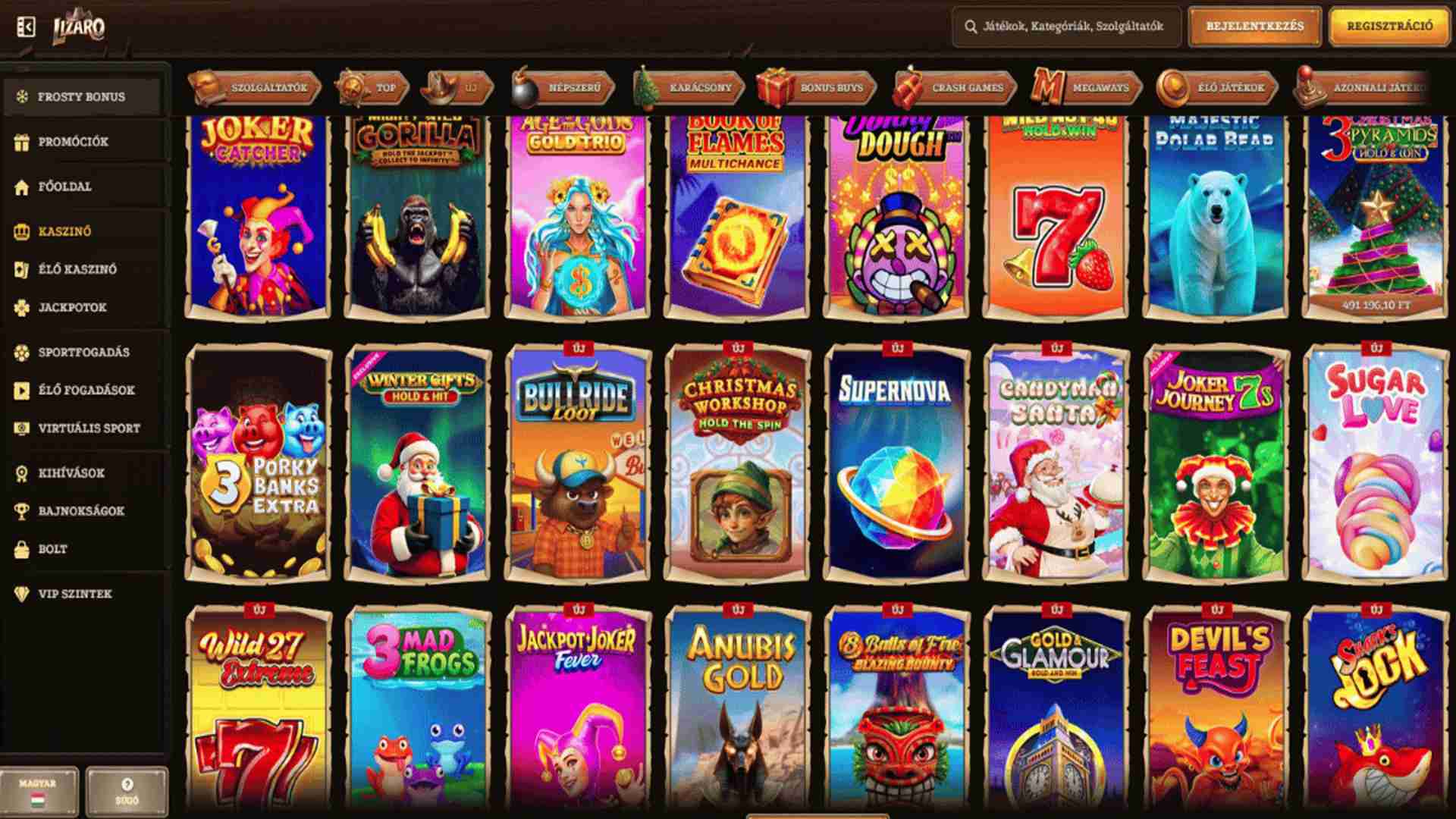
Random reward systems have become a cornerstone of modern game design, captivating millions of players across physical and digital platforms. The psychological thrill of not knowing exactly what a spin, chest, or round will yield transforms simple gameplay into a highly captivating experience. By tapping into core human instincts, these uncertainty mechanics keep audiences invested far longer than predictable progression systems ever could.
The Brain Science Behind Variable Feedback Loop
At the heart of this widespread engagement is a neurochemical reaction driven entirely by anticipation rather than fulfillment. When outcomes are unpredictable, the human brain releases higher levels of dopamine as it hopes for a favorable result. This psychological phenomenon creates a powerful habit loop that encourages players to continue testing their luck.
Psychologists note that constant reinforcement leads to quick saturation, whereas occasional surprises maintain long-term curiosity. When seeking reputable platforms that offer balanced mechanics, identifying an authentic m88 ทางเข้า ดีที่สุด ใน โลก ensures a fair environment where distribution systems align with transparent standards. This transparency helps users manage their expectations while enjoying the authentic excitement of chance-based designs.
Creating Memorable Visual and Emotional Highlights
Beyond the underlying mathematical models, the sensory presentation of a surprise mechanic plays an equally essential role in retaining participant interest. Creators deliberately implement theatrical elements like dramatic pauses, flashing lights, and incremental tension meters to maximize the sense of suspense. These minor delays transform a routine choice into a memorable event that triggers genuine emotional highs.
Even when a turn results in a minor prize, the sheer spectacle makes the attempt feel worthwhile and entertaining. This design philosophy shifts the focus from purely winning to enjoying the temporary escape provided by the interaction. As a result, the journey itself becomes the main source of casual entertainment.
Value Distribution and the Appeal of Smaller Surprises
A common misconception is that players only care about the largest potential jackpot on a prize layout. In reality, a well-structured game sustains interest by offering a diverse range of mid-tier rewards that feel achievable and practical. Frequent small victories prevent feelings of frustration and maintain a steady momentum throughout the play session.
When secondary outcomes offer tangible utility, such as extended playtime or extra attempts, users remain satisfied with their overall experience. Balanced distribution models ensure that the activity remains sustainable and fun for casual enthusiasts. This balance is what separates a frustrating trial from an engaging, repetitive pastime.
Embracing Independence and the Pure Joy of Chance
Understanding that each attempt is completely independent of the last helps participants develop a healthier relationship with randomized systems. Digital systems regenerate completely fresh possibilities with every interaction, entirely free from the memory of past results. Accepting this reality allows players to let go of complex systems and focus on the immediate fun.
The ultimate appeal of random reward formats lies in their ability to offer complete detachment from predictable daily routines. When approached with realistic expectations and clear limits, these games provide safe, interactive amusement. The timeless charm of the unknown continues to shape the future of entertainment media.