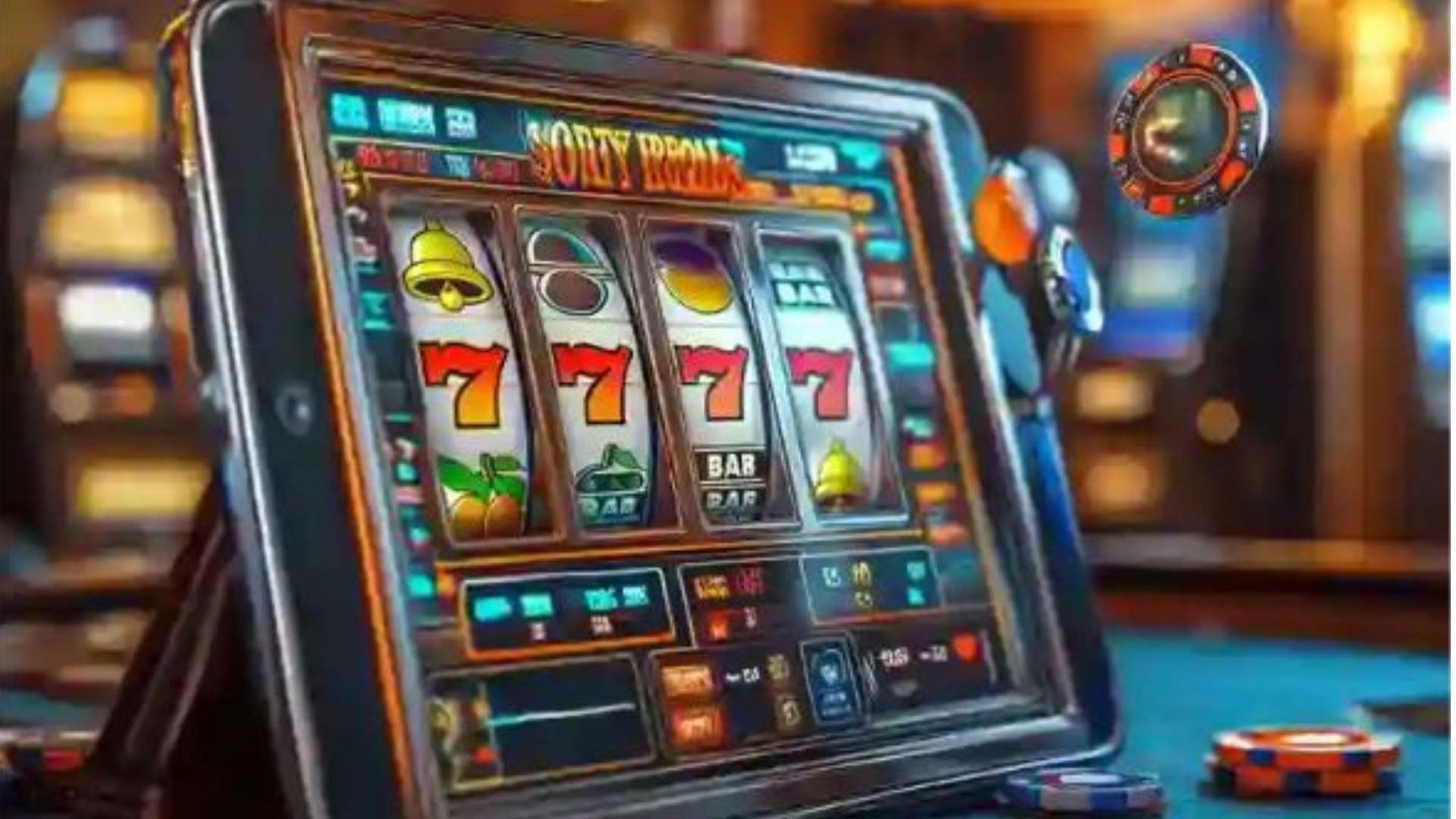
Randomness plays a fundamental role in modern interactive entertainment, shaping how digital challenges unfold and how players interact with game environments. By introducing unpredictable elements, developers can create dynamic experiences that remain engaging over long periods. Understanding the specific mechanics behind these systems helps players appreciate the unique design philosophies that drive different categories of games.
Procedural Generation and Uncharted Ecosystems
Many contemporary adventure and simulation titles rely heavily on procedural generation to build massive, unique environments for players to explore. Instead of manually designing every landscape, advanced algorithms generate terrain, resources, and encounters on the fly based on mathematical formulas. This ensures that no two playthroughs are exactly alike, providing an ongoing sense of discovery that attracts modern audiences.
This method shifts the focus of entertainment from memorizing specific levels to adapting to unpredictable situations. Players must constantly analyze their new surroundings, manage limited resources, and develop flexible strategies to succeed. The long-term appeal lies in the genuine uncertainty of what might be waiting around the next digital corner.
Controlled Probability Systems and Loot Drops
Another major category involves games that utilize controlled probability tables to distribute items, rewards, or character upgrades. In these systems, every potential outcome is assigned a specific percentage chance, ensuring a balanced distribution of rare and common items over time. Role-playing and strategy games frequently employ this method to keep progression systems interesting and variable.
When these mechanics are implemented transparently, they provide a satisfying cycle of anticipation and achievement for the community. Many popular digital hubs utilize these structural features along with options like the m88 促销代码 to offer users enhanced opportunities to engage with their platforms. The combination of clear mathematical rules and unexpected rewards creates a robust framework that sustains user interaction.
Pure Chance and Casual Entertainment Formats
Beyond complex algorithms and loot tables, pure chance games offer a more direct and traditional form of randomized entertainment. These formats rely entirely on isolated random events, such as digital dice rolls, card shuffles, or prize wheels, where past outcomes have no mathematical influence on future results. The simplicity of these mechanics makes them highly accessible to casual audiences worldwide.
Because these setups do not require extensive prior knowledge or specialized tactical skills, they level the playing field for all participants. Every individual enjoys an identical probability of success on any given attempt, creating a stress-free and inclusive atmosphere. This straightforward accessibility ensures that pure chance mechanics remain a staple of digital leisure platforms.