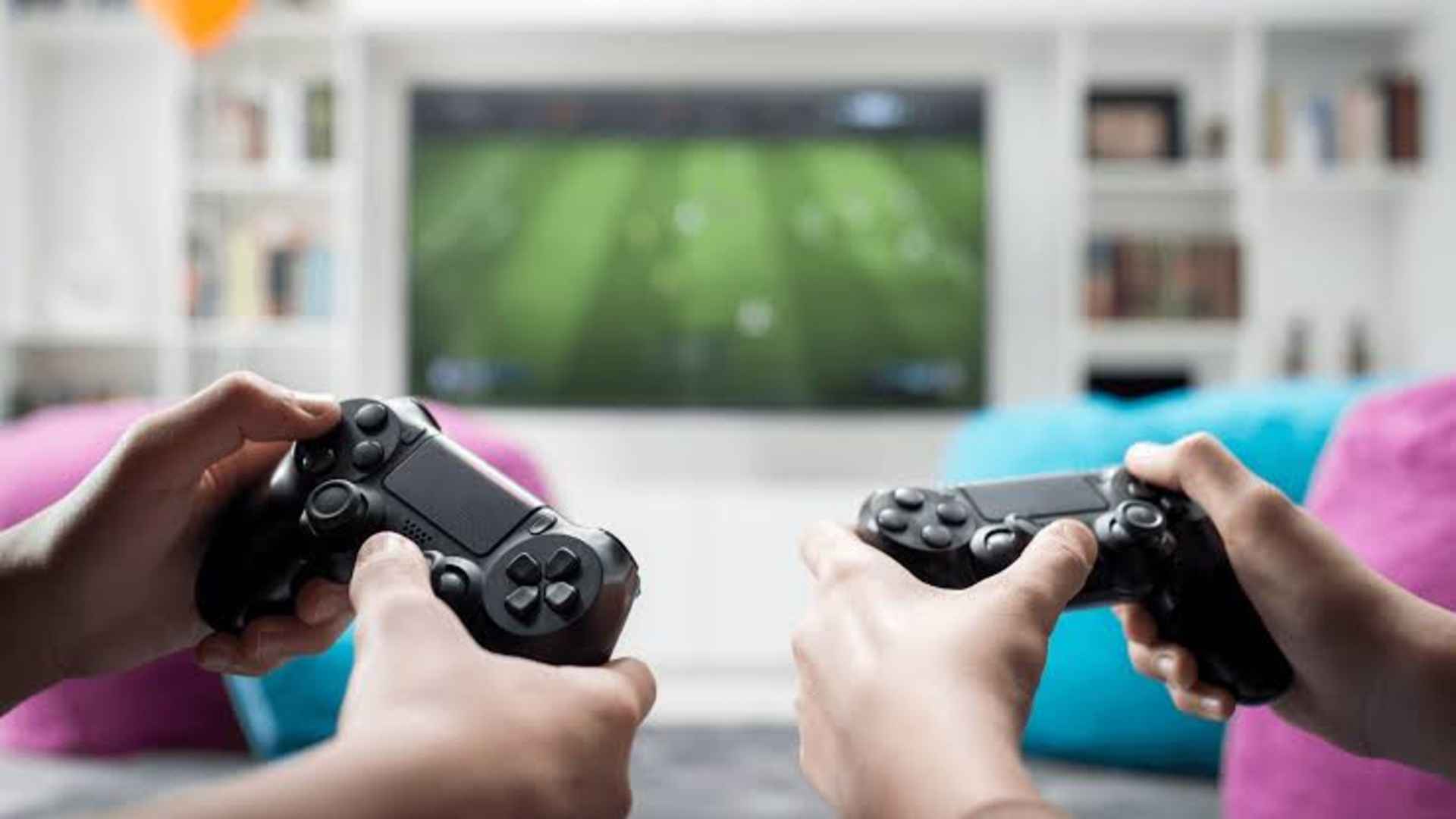
The Halo franchise is famous for its legendary couch co-op legacy, which defined multiplayer gaming for a generation of console players. When the massive anthology arrived on computer monitors, fans naturally expected to share their screens with friends sitting right next to them. Understanding the native multiplayer limitations of the port is essential before planning your next local gaming session.
The Lack of Native Local Multiplayer on PC
The PC version of Halo: The Master Chief Collection does not natively support split-screen functionality. While the console versions allow multiple users to play on a single television screen, the developers omitted this system feature from the computer release. Players can connect online via the Xbox network, but they cannot natively divide a single PC monitor among multiple local players.
This omission has caused considerable frustration among veteran fans who hoped to replicate their classic couch co-op memories on higher-end hardware setups. The developer choice leaves PC gamers dependent on separate rigs and individual game copies to enjoy cooperative campaigns or competitive matches together. Consequently, anyone looking to play side-by-side without an internet connection will be disappointed by the default retail package.
Third-Party Workarounds and Community Mods
Because the feature is missing out of the box, dedicated community members took matters into their own hands to fix the limitation. Players frequently utilize community-developed tools like the AlphaRing mod or the Nucleus Co-Op application to forcibly re-enable multi-user setups on a single monitor. These solutions effectively unlock the console-oriented code that remains hidden deep within the computer files.
Using these unofficial methods requires players to launch the software with Easy Anti-Cheat entirely deactivated. This means you will be restricted to offline game modes, local custom matches, or direct LAN campaign sessions with your friends. While setup can occasionally be tedious, it remains the only viable path for experiencing shared-display gaming on the platform.
Why Split Screen Was Left Off Personal Computers
The decision to skip local cooperative play on personal computers largely stems from traditional platform design assumptions. Developers historically optimized computer games under the assumption that a single user would sit closely at a desk utilizing a dedicated keyboard and mouse setup. Managing separate inputs for multiple gamepads simultaneously presents unique technical hurdles within standard operating systems.
Furthermore, rendering multiple distinct viewpoints simultaneously places a substantial hardware tax on graphics processing units. Ensuring stable performance across an infinite spectrum of custom computer hardware configurations is considerably more complex than optimizing for a fixed console environment. Ultimately, the perceived return on investment for this specific user demographic led to the feature being sidelined.